1977: Anger Goes To Art School
Published:
1977 was a turning point in music. The year was a reaction to the excesses of the 70's. This article barely scratches the surface of the music released in 1977. The underground was operating all over the world. This is a part of it that erupted here.
Robyn Hitchcock released an album called 1967. It is full of covers from that year and one original. 1967 was quite a year for music. This was reflected in his choices. His choices were filled with optimism. The hippies ushering in the dawn of Aquarius.
During the 70s, music in the public view became big, bombastic, and out of reach. Intricate arrangements. 40-minute drum solos. Glammed to the max. Excess. Excess. Excess.
Every action comes with a reaction. A turning economy fueled an anger. That anger also gave birth to punk. Punk spat at the hippies and gobbed at prog rock. One band, dressed by Vivienne Westwood and promoted by Malcolm McLaren, burst into the mainstream. The Sex Pistols gave the two-finger salute to the establishment, outraging the press. The do-it-yourself ethos went mainstream.
The music
David Bowie - Heroes
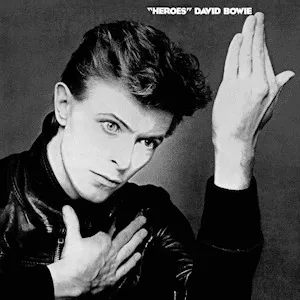
Heroes is in the middle of the Berlin trilogy. Low, Heroes and Lodger. It was hard to pick between Low and Heroes for a 1977 release.
Bowie has always had a knack for picking collaborators. In Heroes, he excels himself by bringing in Brian Eno, Robert Fripp and Adrian Belew.
It opens with "Beauty and The Beast" and "Joe The Lion" which are catchy openers, and "Heroes" is an epic six-minute masterpiece. "Sons Of The Silent Age" is a personal favorite, and "Blackout" perfectly closes side one.
Side two features instrumentals like "V-2 Schneider", "Sense Of Doubt", and "Neukoln". "The Secret Life Of Arabia" ends the album fittingly.
The Clash - The Clash
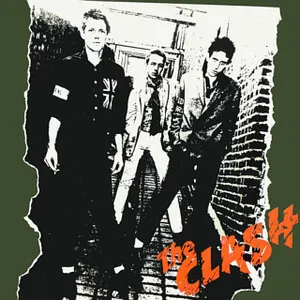
The Clash's debut album was released in 1977. It was a reaction to the punk scene. They pulled in reggae and dub influences.
Brian Eno - Before and After Science
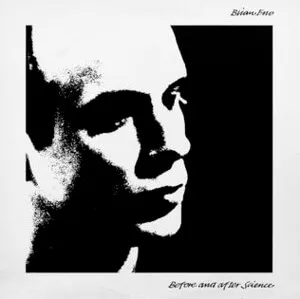
Before and After Science showcases Brian Eno's innovative "studio composition" technique, where tracks are layered and then selectively subtracted to create a unique sound. Despite its pop format, the album veers away from mainstream music.
It opens with upbeat tracks "No One Receiving" and "Backwater," featuring Percy Jones and Phil Collins. It ends with "King's Lead Hat" with Robert Fripp tearing up the fretboard. The second side of the album shifts to serene, pastoral songs, including the standout "By This River" and the emotionally intense final track, "Spider and I."
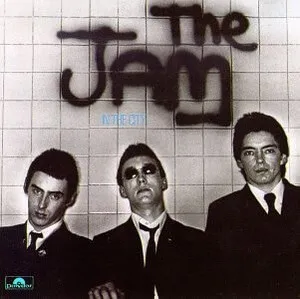
The Jam - In The City
The Jam, often mislabeled as punks, burst onto the scene with an energetic debut that hinted at their future versatility and songwriting. While some tracks are more raucous, they steer clear of the typical loud, one-note punk style of the era. Tracks like "Away From the Numbers" and "Sounds From the Street" stand out. Paul Weller was only 18 when this album was released, making the accomplishment even more impressive.
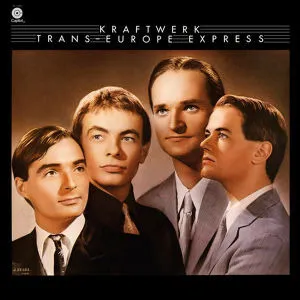
Kraftwerk - Trans Europe Express
Trans Europe Express builds on Radioactivy and Autobahn. The album is a concept album about Europe. It is quite a melodic album. Everything pulls together. The title track is a standout. The album is a precursor to techno.
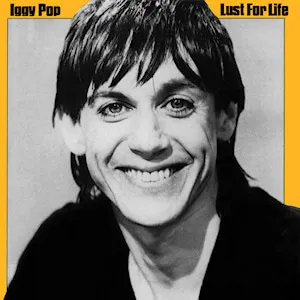
Iggy Pop - Lust for Life
Lust For Life was recorded in a eight days at Hansa Studio by the Wall in Berlin, the same iconic studio where David Bowie would record “Heroes” just a month later. The album still pulses with the same dynamic energy. It features two of Iggy Pop's most loved tracks, "Lust For Life" and "The Passenger," along with standout deep cuts like "Some Weird Sin," "Success," and "Turn Blue." This album is one of Iggy's best.
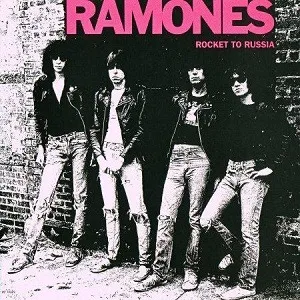
The Ramones - Rocket to Russia
Rocket to Russia is the Ramones' third album, and it builds on the first two. The album features their finest set of songs. Tracks like "Cretin Hop," "Rockaway Beach," "Sheena Is a Punk Rocker," and "Teenage Lobotomy" stand out with their infectious energy. There is a cover of pysochobilly classic "Surfin' Bird". The album also includes ballads, adding slight variety without losing its fast pace. This combination of energetic melodies and varied tempos makes Rocket to Russia the Ramones' most listenable and enjoyable album.
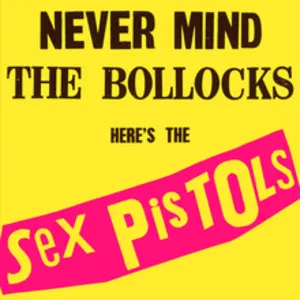
The Sex Pistols - Never Mind The Bollocks
They probably weren't the best musicians. They had Malcolm McLaren hyping up the publicity machine. As Oscar Wilde once said, "The only thing worse than being talked about is not being talked about." They railed against the establishment. They figuratively spat at The Queen. They were too raucous for the BBC and got banned.
They couldn't play their instruments that well but it didn't really matter. They inspired countless to buy instruments and form bands.
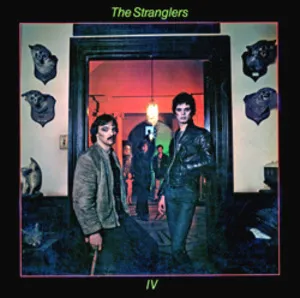
Stranglers - Rattus Norvegicus
Rattus Norvegicus or Norwegian rat is also know as a sewer rat. The Stranglers featured the growling bass of JJ Burnel, choppy guitars from Hugh Cornwall. That alone fits punk. Dave Greenfield’s psychedelic keyboards swirl around. Drummer Jet Black was considerably older than the rest of the band. The Stranglers are a square peg.
The album lyrically wouldn't make it in today's politically correct times.
Talking Heads - Talking Heads 77
Talking Heads: 77 opens with "Uh-Oh, Love Comes to Town," a pop song that nods to late-'60s bubblegum, Motown, and Caribbean music. The quirky and nervous lyrics, along with David Byrne's strained voice. By the second track, the album showcases their distinctive sound with staggered rhythms, sudden tempo changes, and non-linear lyrics, resembling overheard remarks from a random passer by. Their music alternates between threatening and oddball. The standout track is "Psycho Killer." 77 established Talking Heads as innovative artists who combined familiar elements in novel ways, making it landmark release in the music world.
From here they would go on to make some of the most interesting music of the late 70's and 80's.
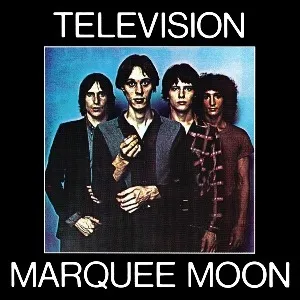
Television - Marquee Moon
Marquee Moon is an album that I often find myself coming back to. Whenever I finish it, I want more
The music on this album is both complex and fun. The songs feature poetic lyrics that are often difficult to decipher. They make you work adding to their allure.
"Marquee Moon" is one of the greatest songs of all time. Two guitar solos, with Tom Verlaine's second solo being the standout moment of the entire album. The closest the album comes to reaching this level of "peak" again is on the final track, "Torn Curtain."
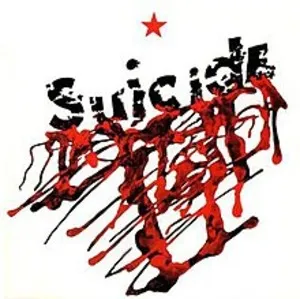
Suicide - Suicide
Suicide's self-titled debut album, released in 1977, was a groundbreaking work that reshaped the music landscape. At the time, nothing else sounded quite like it—swirling, buzzing electronics and metallic percussion set a raw, industrial tone. Alan Vega's growling vocals, often buried under layers of reverb, added an eerie, haunting quality to the music. This album was a pioneer in the use of minimalist electronic instrumentation and stark, abrasive sounds, which were a stark departure from the sounds of the time.
The duo's approach was both confrontational and innovative. Songs like "Ghost Rider" and "Frankie Teardrop" pushed the boundaries of what music could be, creating a sense of unease and intensity. Suicide's music has an almost trance-like effect that was both unsettling and captivating.
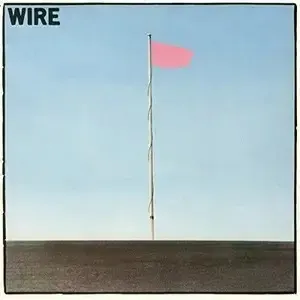
Wire - Pink Flag
Wire's debut album Pink Flag is hailed as a highly original release from the first wave of British punk. Unlike other punk bands, Wire embraced unpredictability and minimalist arrangements, resulting in short, impactful songs that often defied traditional structures. Songs took on sharp angles. Their music, marked by Colin Newman's sharp wit and distinctive delivery, stripped punk down to its essence. Despite appearing as fragmented sketches, the tracks show their depth with further listening. Wire's inventive approach remains a fresh, invigorating listen even today.